The making of Dekmantel Festival ’26
Five days. Over 200 acts. Three days in the forest (including three new At Dawn sessions). Seven stages. One conference day. One Into the City night. Ten club events. 18,000 visitors.
Those are just a few of the numbers that make up Dekmantel Festival. Over the past 11 editions, the equation has remained remarkably consistent – precisely because it is consistently being reconsidered. Of course, they say you should never change a winning formula. But for a festival built on musical innovation, reflection and refinement are essential to the process.
So, what does that mean for ’26? Ahead of this year’s electronic music marathon, I spoke with four members of Dekmantel’s core team about the decisions and details – both seen and unseen – that have shaped this edition and, ultimately, your festival experience.
Words by Leendert Sonnevelt
‘Where do we begin? That’s a good question, and I’m not sure we have a clear answer…’ Rutger Smitshuijzen and Lieve Goedhart, both programmers at Dekmantel HQ, laugh and pause for a moment when I ask them about the very first step in putting together a line-up.
‘You often start by seeing who’s available,’ Rutger explains. ‘Every now and then, there’s a rare opportunity: an artist you might have been trying to book for years. If that name becomes available, it also tends to shape the direction of a particular stage on a particular day. That said, we usually define the angles we want each stage to have beforehand.’
Lieve continues: ‘Every stage should have an even clearer identity each year. We’re such geeks that we always notice where there’s still some overlap or think: this could be even more distinct. The sonic worlds have been built up over many years and are pretty much established now.. Within those existing worlds, there are always new themes that emerge or micro-ideas we want to zoom in on. I think it all starts with nerding out across all these sub-scenes.’
As programmers, Rutger and Lieve both feel a responsibility to honour Dekmantel’s identity while continuing to renew it. ‘You ask yourself: how am I going to make this feel new again?’ Rutger says. ‘A bit like a detective with this huge board, writing down ideas and seeing what resonates, what feels just slightly different this time. At the same time, there are the core Dekmantel pillars. We want to provide a platform for both local and international artists. We want to give our label artists a stage. We want to protect the musical heritage – where it all comes from – and make space for the legends who shaped it. And then there’s diversity factors such as gender and ethnicity. You try to bring all of those elements together into one coherent whole.’
‘There’s always an element of luck or surprise, too,’ Lieve adds. ‘That’s what makes our work enjoyable. It would be incredibly boring if every line-up you came up with actually worked out.’
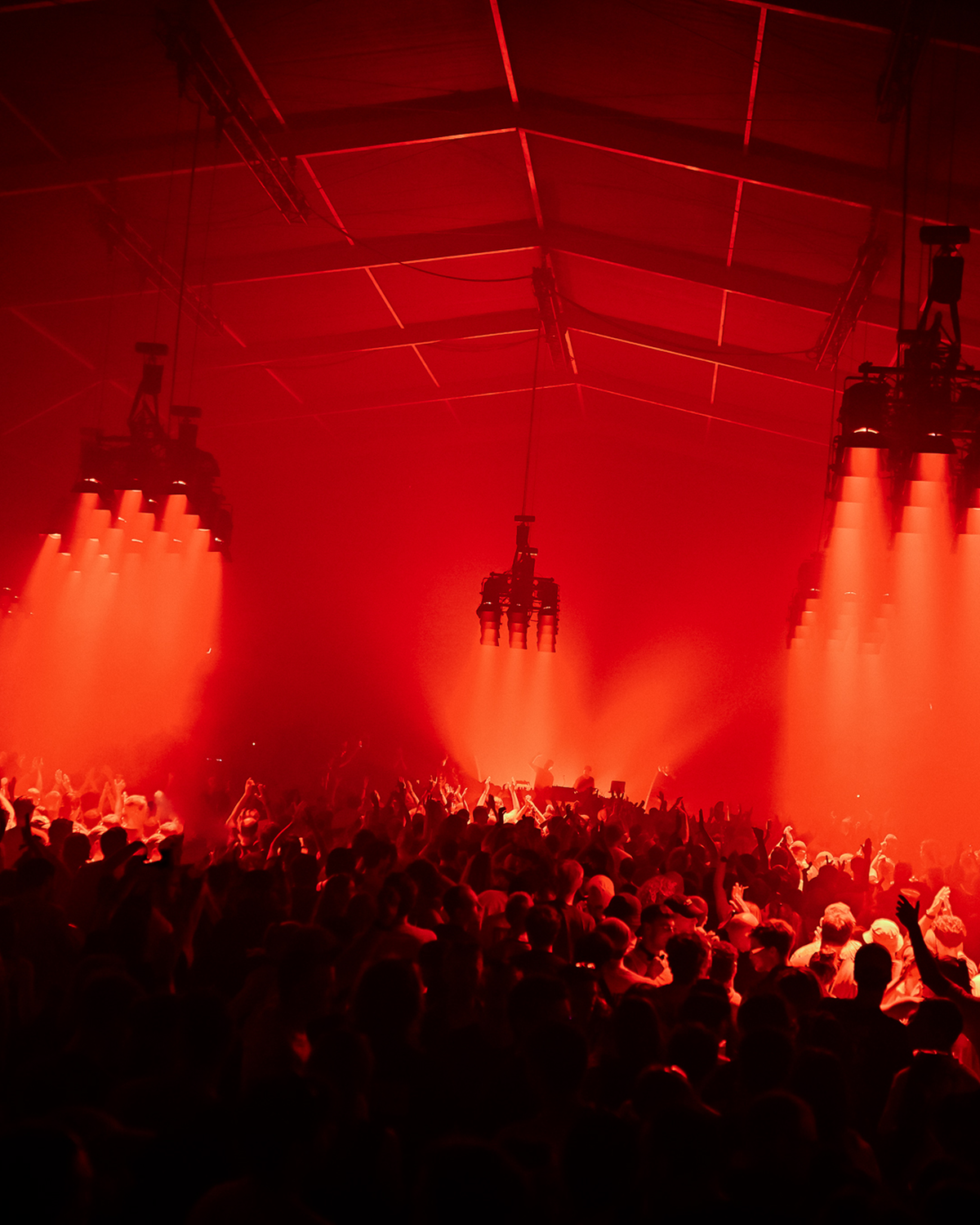
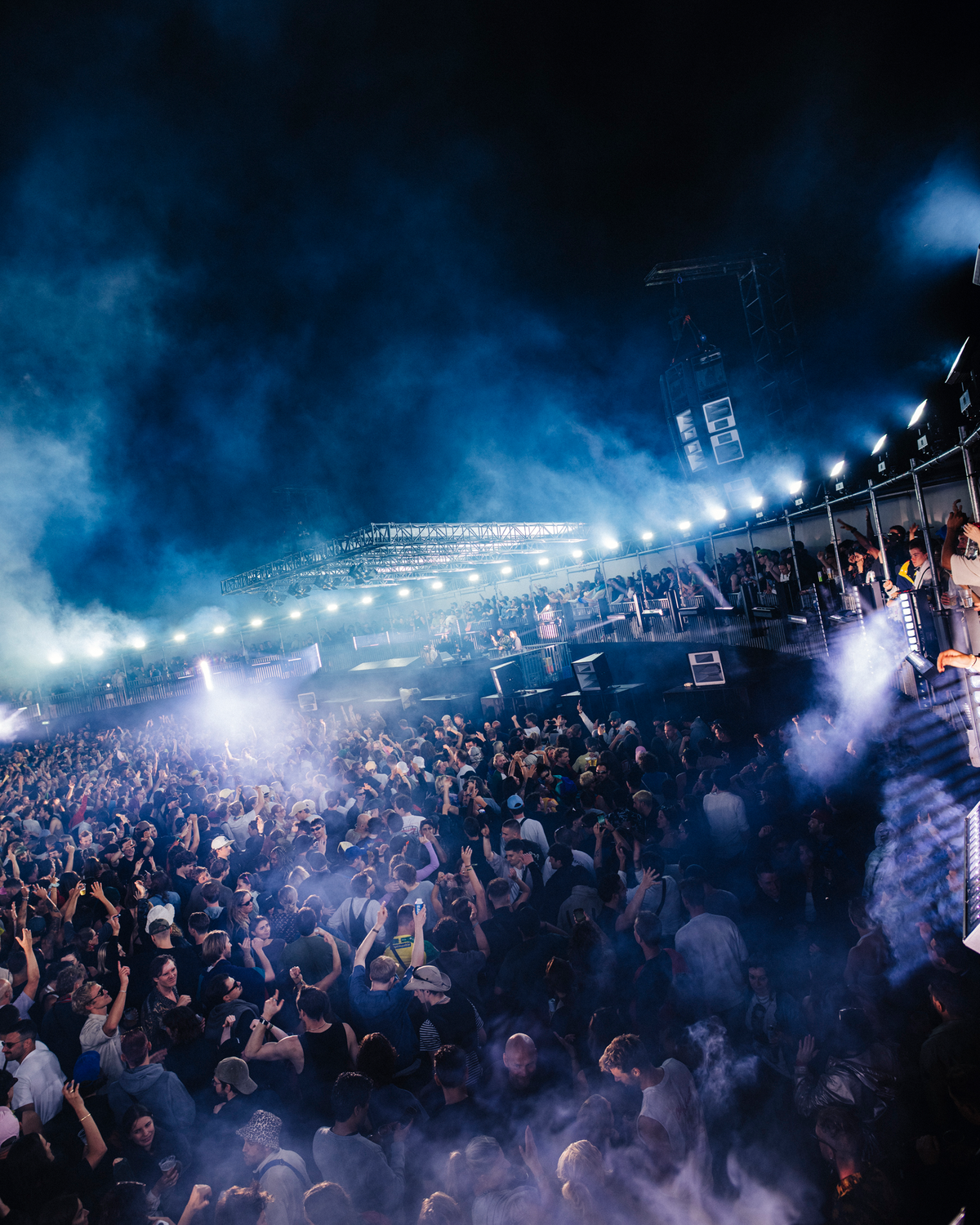
This year, one entirely new addition reshaped the process behind the festival programme. With the introduction of morning sessions, Dekmantel’s full experience expands to 36 hours, beginning at 11am each day for guests with a weekend ticket.
‘Perhaps that was our starting point!’ Lieve says. ‘At Dawn was the first thing we announced, so it was also the first thing we had to finish. And since it’s a bit of an experiment, we wanted to kick things off with a line-up you really can’t miss.’ On that line-up? A morning session with Jeff Mills, three hours of DJ Sprinkles and a rare DJ set by Sampha, to name just a few.
‘At Dawn is really for the heads,’ Rutger notes. ‘To experience music without distraction. To kick off the day. Rather than easing into it by 3pm, you can now build up to it much more gradually. It’s not the euphoria of the night…’ ‘That’s true,’ Lieve adds. ‘But it has its own kind of euphoria. I hope people get the chance to experience a set from start to finish, which is often impossible in the afternoon or evening. These guests are already in it for the total experience, so it’s nice we can offer them even more now.’
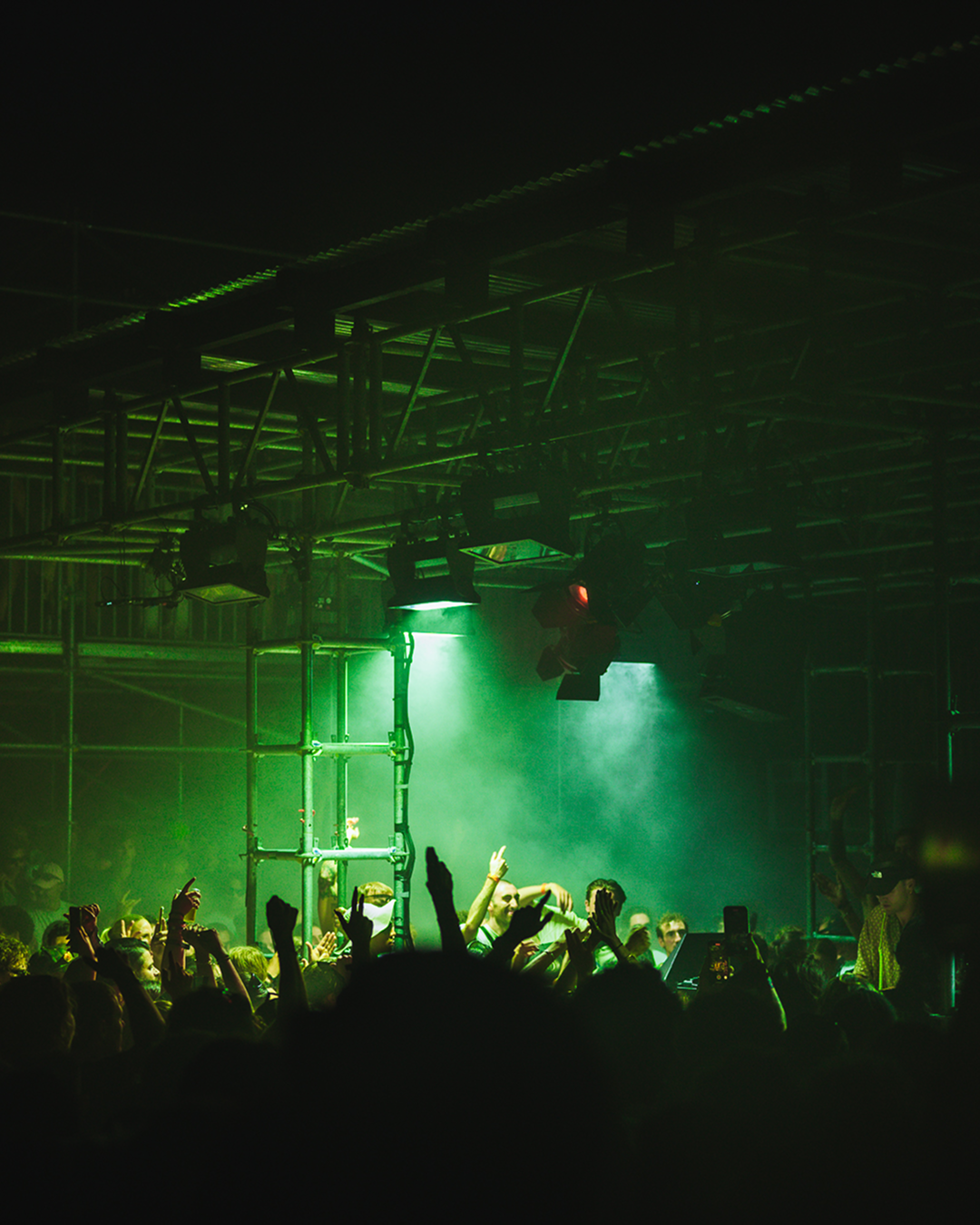
Much like his colleagues, Albert van Abbe, Dekmantel’s Lead of Scenography, begins with sound worlds and the experiences they inspire on a multidisciplinary level.
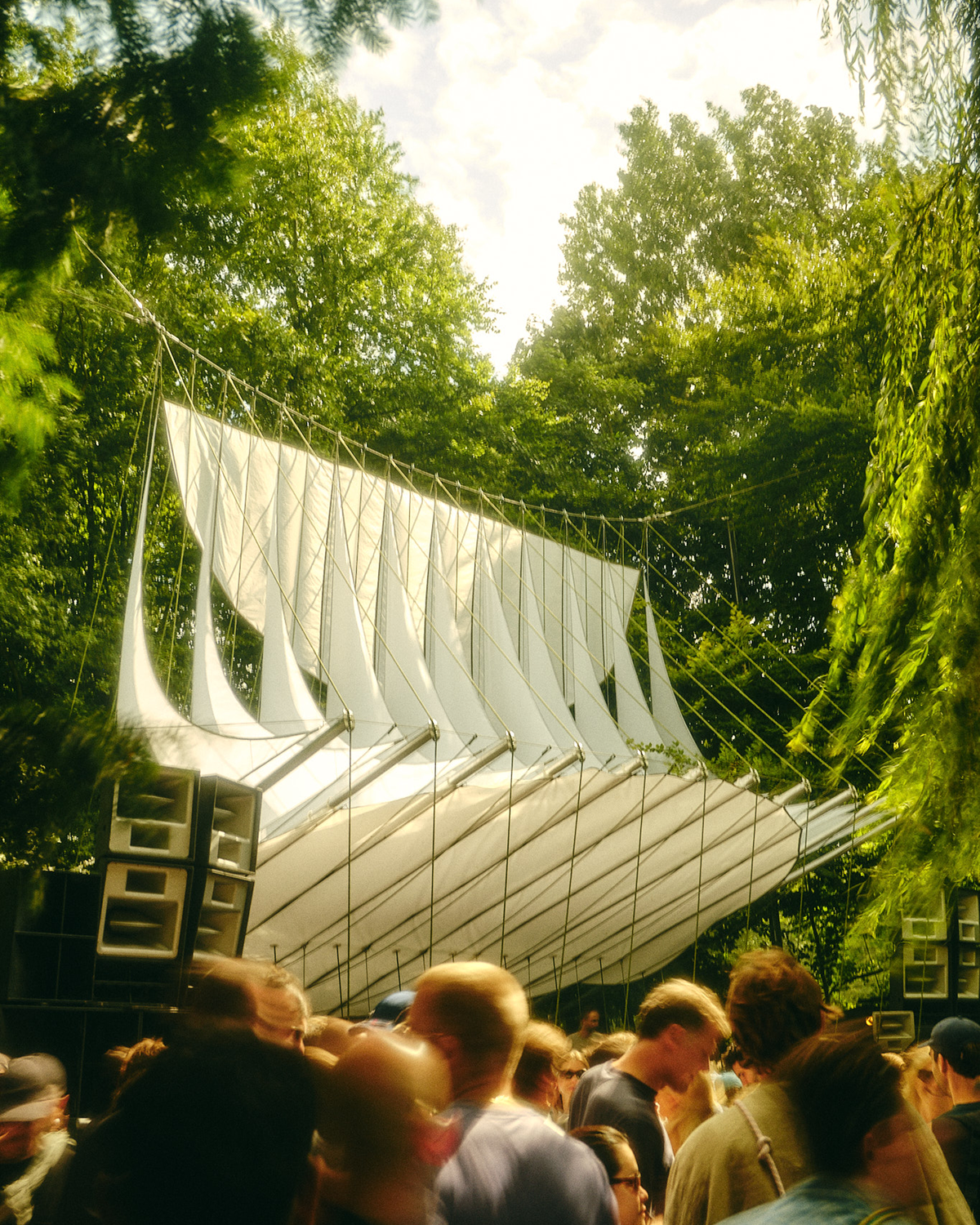
‘I love working on one stage for multiple seasons,’ he explains, ‘rather than changing things all the time. It’s about trying things out and refining what’s already there – and sometimes that comes down to small things, which people tend to underestimate. Last year, for example, our Selectors stage got quite an impressive new cover. It worked really well, and this year we’re leaning even further into its cinematic setting.’
Part of Albert’s approach is embracing the limitations that come with festival production, especially its temporary nature. ‘When it comes to the bigger festival stages, the main challenge is capacity,’ he says. ‘The higher the capacity, the fewer choices you have. So you almost always have to start with something pretty ugly and work your way towards something interesting.’
For the scenographer, one of this year’s biggest challenges was redesigning the Greenhouse, which also plays a key role in the At Dawn programme. ‘I think it was time for a change,’ he says, ‘and to offer the festival visitor something fresh.’
So, what can visitors expect? ‘The cover now has a dome-like shape, built from wood. I’d say the new Greenhouse has a bit more of a hippie feel – it’s the only stage where you might take off your shoes to dance. It feels softer and warmer. Right now, I’m working on a flower installation that will cover the entire front of the DJ booth. It’s seven metres wide and made in collaboration with a florist who lives close to the forest, because we might need to touch it up throughout the festival.’
‘More than any of the other stages, the Greenhouse is a listening stage. During the At Dawn hours, we’ll also have pillows where people can sit back and take it all in. As a stage, it needs to be able to transform from a listening space into a full-on dance floor.’
Seamlessly connecting the visual with the audible, this year’s Greenhouse sound system comes courtesy of NNNN and OJAS. ‘I think Dekmantel is always looking for ways to improve the sound and explore new suppliers,’ Albert says. ‘Funktion-One has always been a go-to, but of course there’s also the Krackfree system at The Nest and last year we were lucky to work with Sunflower Sound System.’
‘We recently did a party in New York with Nowadays. While we were there with the team, we visited Public Records. They have this beautiful NNNN system, and we all really felt it. Of course, when choosing a sound system, there are physical, financial and logistical considerations too. But the main idea is always to lean into the sound of the stage through the physicality of the system.’
'Right now, I’m working on a flower installation that will cover the entire front of the DJ booth. It’s seven metres wide and made in collaboration with a florist who lives close to the forest, because we might need to touch it up throughout the festival.’ - Albert van Abbe
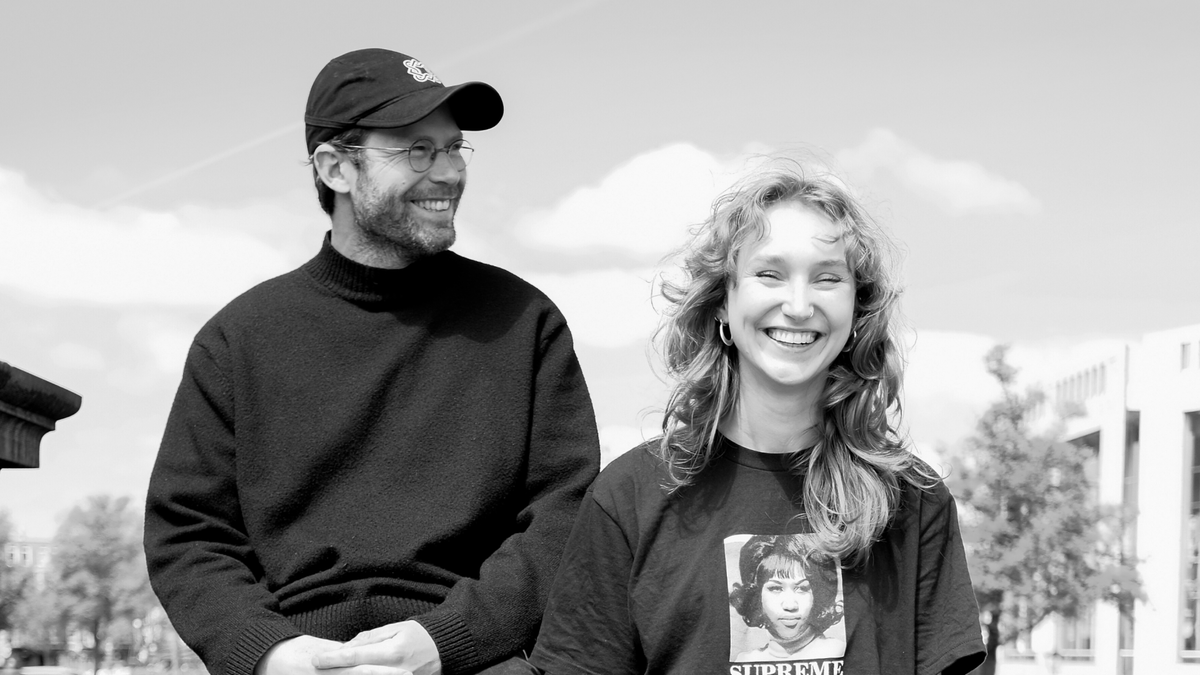
Few projects are better suited to the revamped Greenhouse than CCL’s Invisible Cities, which makes its debut on the final festival day. ‘We’ve been working on this collaboration for quite a while,’ says Olf van Elden, Dekmantel’s Head of Creative and Label Manager. ‘There’s not much I can reveal about it just yet… more soon!’
CCL’s set is just one of many moments where Dekmantel’s label and festival come together. ‘Every year, we try to connect the label with the festival through special projects. Often those projects take the form of albums, which are then premiered during the festival. Sometimes a label artist performs a live show; other times, it’s a DJ set built around a specific angle or concept. Either way, it’s always a moment when different pieces of the same puzzle fall into place.’
For Olf, other label highlights include two live shows on Thursday evening. ‘We’ve got familiar faces upsammy and Piezo at Melkweg on Thursday. Together, they’ll be releasing music as Eerie Enterprise later this year. We’re also releasing an album by Sepehr, who’ll be performing with a live band for the very first time. It’s a bit of a crossover project – there’s dance music, but there are also punk influences and guitars.’
Finally, Dekmantel wouldn’t be Dekmantel without dropping new music during the festival. ‘We recently released a 12-inch by Steve Rachmad, and now his full album is coming out on CD. Then there’s a white-label release by Ploy, available exclusively at the festival before being released elsewhere. Some of these artists will also be stopping by the merch stand to sign records. I love how that makes these releases feel tangible. And who doesn’t want to meet their favourite artist?’
If At Dawn extends Dekmantel into the morning, At Night continues the experience long after the forest goes quiet. ‘We wanted this year’s night programme to feel less like a series of afterparties and more like an integral part of the festival,’ Rutger notes. ‘The journey doesn’t stop in the forest – it continues right into the night. We’re hosting more club events than in previous years: ten in total.’ Lieve continues: ‘As we mentioned before, the stages are such well-defined sonic worlds, often with their own distinct communities. We really felt the need to extend those worlds and expand them beyond the festival grounds.’
Rutger: ‘Practically, this means Garage Noord is now connected to The Nest, RADION continues the world of our UFO stages, and ISO houses the sounds of Selectors. Finally, Sunday night at RAUM features an unannounced line-up, in the spirit of the DKMNTL club events we’ve been hosting over the past year.’
‘What we also really like is involving Amsterdam’s clubs in the festival,’ Lieve wraps up, thoughtfully. ‘You know, in our scene there’s often talk about competition between festivals and clubs… which makes these collaborations all the more rewarding. In the end, we all need each other.’
'The stages are such well-defined sonic worlds, often with their own distinct communities. We really felt the need to extend those worlds and expand them beyond the festival grounds.’ -Lieve Goedhart